Southampton & Sorrounding Areas


Level 3 Horticulture Qualified


RHS Wisley
Trained
Desert Landscaping
Some Southampton gardens are genuinely suited to a dry style approach. South facing plots on freer draining, thinner soils in elevated suburbs like Bassett and Portswood dry out in summer faster than conventional planting can cope with. Front gardens in the city's Victorian terraces often serve as practical spaces rather than planted areas, and gravel with structured planting works far better than grass that never thrives. Desert landscaping by Edens Edge landscaping uses plants and materials matched to the conditions in your specific garden, not a generic look copied from a show garden in a different climate.

Drought Tolerant Planting Schemes
Gravel and Hard Landscaping Combined
Designed for Your Soil and Aspect
Garden Trouble? Let Us Help.
Best Price Guarantee
Every Project Tailored To You
Not every Southampton garden suits conventional planting. A south facing plot on thin, freer draining soil in Bassett or Portswood that bakes through summer and struggles to retain moisture is not going to support traditional border plants without constant watering. A small front garden in a Victorian terrace that gets used as a utility space and never thrives with grass is far better served by gravel and structural drought tolerant planting. Desert landscaping from Edens Edge landscaping takes those conditions and turns them into the starting point for a garden style that works with the soil and aspect rather than against it. The result needs very little maintenance and holds its appearance through the seasons without regular intervention.
Is Desert Landscaping Right for Your Garden?
When Desert landscaping Makes Sense in Southampton
The first situation is a south facing garden on lighter, freer draining soil that dries out through summer and fails to support conventional border plants reliably. This pattern is consistent in elevated parts of Southampton where soils are influenced by the chalk of central Hampshire and the topsoil layer is thinner. Gardens in Bassett and Portswood, for example, sit on ground that drains faster and holds less moisture than heavier ground in the lower lying parts of the city. Conventional border plants that need consistent moisture suffer in these positions through dry spells, and the garden ends up looking stressed by July and needing constant watering just to stay presentable. Desert landscaping uses plants that are naturally adapted to exactly those conditions: lavenders, salvias, verbascums, ornamental grasses, sedums and other species that thrive on well drained, warm soil with minimal watering. The style suits the conditions rather than fighting them.
The second situation is a front garden or small courtyard space where the priority is a low maintenance, practical appearance rather than a planted border. In the Victorian and Edwardian terraces across Portswood, St Denys, Shirley and the older parts of Bitterne, small front gardens are often practical spaces used for bins, bikes and access rather than gardening. Grass that gets walked over, shaded by the house and never thrives is the most common starting point. Replacing it with a gravel or crushed stone surface combined with structured drought tolerant planting and raised concrete or sleeper edging gives a front garden that looks considered and maintained without requiring regular attention. Landlords across Southampton's significant private rental sector use this approach to reduce the maintenance demands on tenants and keep front gardens looking acceptable between tenancies.
The third situation is a garden where existing planting has repeatedly failed or required constant intervention and the owner simply wants something that looks good without being a weekly commitment. Many Southampton homeowners have tried various plants in challenging positions and found that nothing establishes reliably without significant effort. Whether the problem is summer drought stress on a south facing border, wind exposure in gardens near the Woolston and Weston Shore estuaries, or simply a preference for a clean, minimal aesthetic that requires very little upkeep, a properly designed and planted dry garden solves that problem permanently rather than cycling through replacements. The key is using species genuinely suited to the conditions and combining them with a gravel or stone mulch layer that suppresses weeds, retains the minimal moisture these plants need and looks good throughout the year.
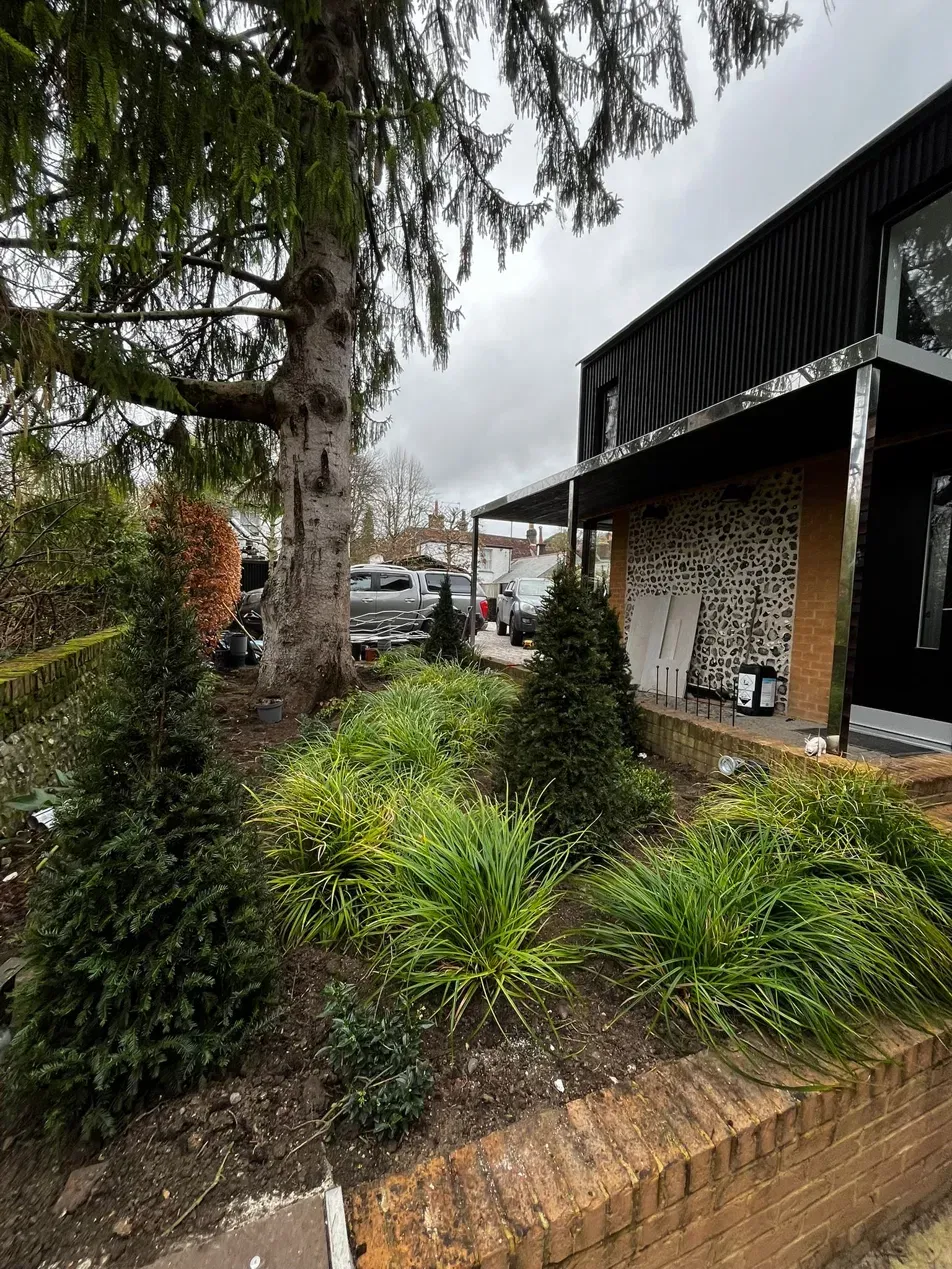
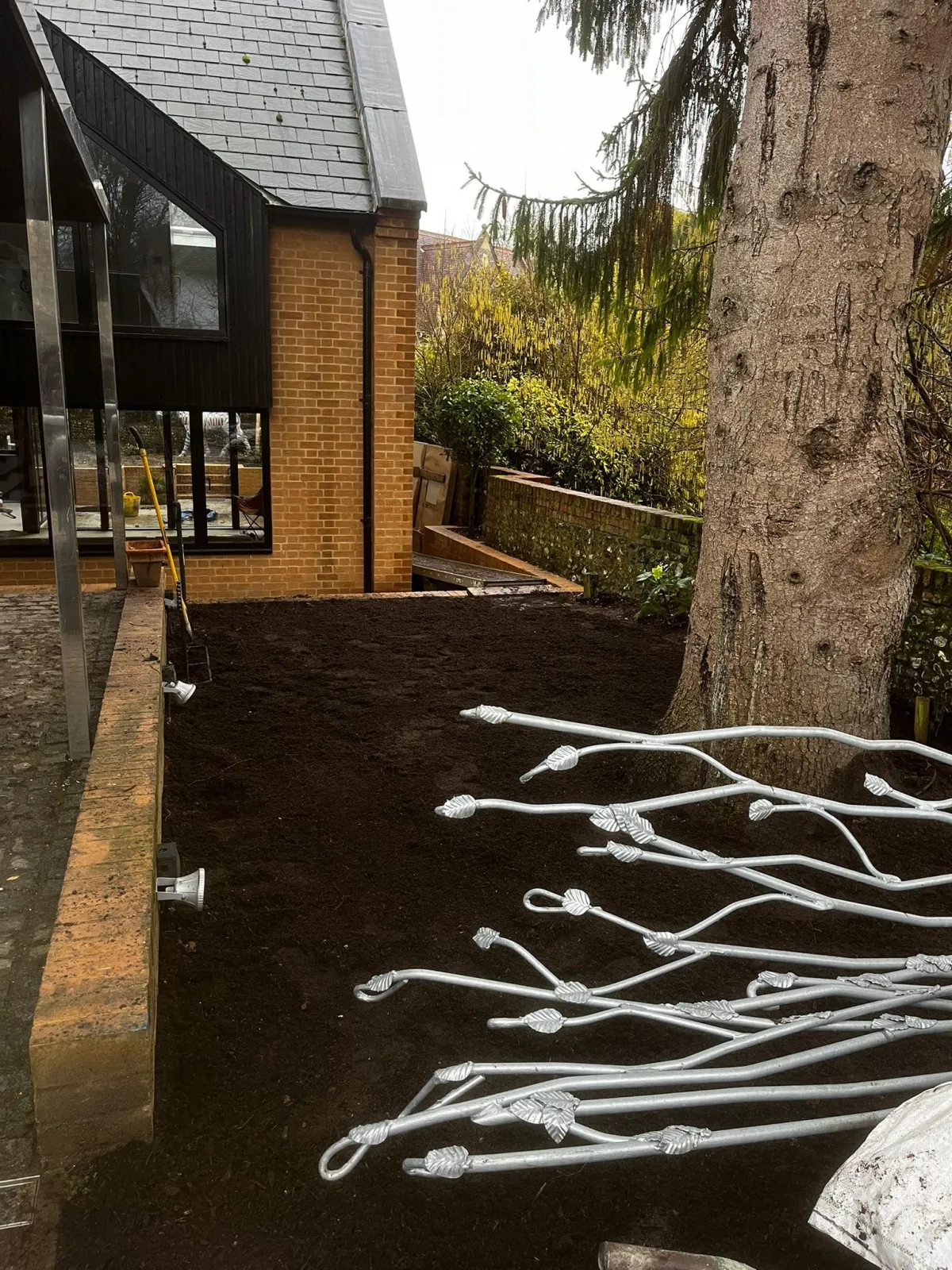
How Our Desert landscaping Service Works
The starting point is understanding the specific conditions of the garden before any plant or material is chosen. Aspect, soil depth, drainage rate and what is already there all affect what will work. A dry garden in a genuinely free draining, chalk influenced south facing plot in Bassett needs a different plant selection to a front garden in a Portswood terrace where the soil has been disturbed, compacted and amended over many years. Both can be planted with drought tolerant species but the varieties that establish and perform well in each are different. Edens Edge landscaping brings Level 3 horticulture training alongside hands on experience from RHS Wisley and Sir Harold Hillier Gardens to those plant decisions, so the species going into the ground are chosen for how they will actually behave in your specific conditions, not just how they look in a catalogue photograph.
Soil preparation comes before any plants or gravel go down. Drought tolerant plants are well adapted to free draining, lower fertility soils, but they cannot establish in ground that is compacted, waterlogged or has poor structure. In Southampton gardens where the existing soil has been built over, disturbed or repeatedly compressed, basic soil improvement work is done first to give roots the structure they need to get down and establish. Getting that preparation right at the start is what allows the plants to become self sufficient quickly rather than needing supplementary watering for an extended period after planting.
Planting is done at the right time and at the right density for the design to fill in properly. Drought tolerant schemes planted too densely look crowded within a season and require frequent cutting back. Planted too sparsely, the gravel surface dominates and the garden looks unfinished for several years. Edens Edge landscaping plans the spacing around how each species grows and how the scheme should look at maturity, which means the garden reaches its intended appearance within two to three seasons and then stays there without significant intervention.
Gravel or stone mulch is laid at the correct depth over a weed suppressing membrane after the plants are in. This is the layer that does most of the ongoing maintenance work: it suppresses annual weed seeds from germinating at the surface, reflects heat back to the plants from below, keeps the soil surface from crusting over and retains the minimal moisture that these plants prefer. The choice of gravel type and colour is made to suit the property character and the plant selection, because the two need to work together visually rather than be chosen independently.
FAQ's
Frequent Asked Questions
Common questions about Desert landscaping from Edens Edge landscaping, covering Southampton and surrounding areas.
Does desert landscaping actually work in Southampton's wet winters?
Yes, when the plants and drainage are right for the conditions. Southampton has a mild maritime climate with year round rainfall, which is not the same as a true arid environment. The key is choosing species that are genuinely cold and wet tolerant as well as drought tolerant, rather than plants that need a warm dry winter to survive. Lavenders, ornamental grasses, sedums, salvias and many Mediterranean species are fully hardy in Southampton's mild winters and cope with wet ground provided the drainage is adequate. The gravel and membrane surface layer also helps by keeping the crown of the plant dry even when the soil below is wet. Edens Edge landscaping selects plants specifically for the Hampshire climate rather than species that would only suit a warmer or drier location.
How much maintenance does a dry garden need once it is established?
Once properly established, a dry garden is one of the lowest maintenance options available. Drought tolerant plants do not need regular watering once their roots are down, do not need feeding on low fertility soils and generally need only an annual tidy rather than repeated cutting back through the growing season. The gravel surface suppresses most weed germination, so hand weeding is minimal compared to a conventional bed. The first season after planting requires some supplementary watering to support establishment, but by the second season most species are self sufficient. The result is a garden that looks good through summer and winter without the regular intervention that conventional planting or a grass lawn requires.
What plants do you use in a dry garden scheme?
The plant selection is always matched to the specific conditions of the garden. For south facing, free draining positions in Southampton, species such as lavender, salvia, verbascum, echinops, stipa and sedum establish well and give year round interest. For gardens with slightly more shade or moisture, different varieties within those groups, or alternative species such as euphorbia, libertia and artemisia, can be more appropriate. Edens Edge landscaping selects plants based on the aspect, soil type and maintenance preference of each specific garden rather than applying a fixed list to every project. The plant choices are informed by Level 3 horticulture training and direct experience at RHS Wisley and Sir Harold Hillier Gardens.
Can you replace an existing lawn or conventional border with a dry garden?
Yes, and this is one of the most common reasons people commission this work in Southampton. Replacing a front or rear lawn that never thrives, or a conventional border that requires constant watering and replanting, with a dry garden scheme removes an ongoing maintenance burden and gives a garden that is visually consistent through the seasons. The process involves removing the existing grass or plants, preparing the soil correctly, planting and then laying the gravel surface. The transition from a struggling conventional garden to an established dry scheme typically takes one to two seasons.
Are you insured and do you have a cancellation policy?
Edens Edge landscaping holds £5m public liability insurance. If you need to cancel a booked job, the cancellation policy allows a full refund with three days notice. For any questions about bookings or to get a quote for Desert landscaping in Southampton, call 07850412717 directly.
Get in touch
Start Your Low Maintenance Garden Today
Edens Edge landscaping covers Southampton, Romsey, Winchester and the surrounding areas. [CLIENT TO CONFIRM: response time or booking window]
Edens Edge landscaping
Professional Gardener in Southampton
Unit 4, Riverside Court, Cupar KY15 5JY, United Kingdom
Quick Links
Service areas
Opening Hours
Mon - Fri
8am – 6pm
Saturday
9am – 4pm
Sunday
Closed
© 2026 Edens Edge landscaping. All rights reserved.
Privacy Policy
Terms & Conditions