Southampton & Surrounding Areas

Level 3 Horticulture Qualified

RHS Wisley
Trained
Tree Removal
A tree that has been storm damaged, is dying, or has simply become too large or too close to the house needs to come down safely and completely. Tree removal from Edens Edge landscaping covers the felling, sectioning where needed, and clearance, suited to Southampton's mature gardens and the access challenges that often come with older properties.

Storm Damaged and Hazardous Trees
Felled and Sectioned Safely
Full Site Clearance Included
Garden Trouble? Let Us Help.
Best Price Guarantee
Every Project Tailored To You
A tree that needs removing rarely waits for a convenient time. Storm damage, a tree that has been declining for some time and finally become unsafe, or a tree that has simply grown too large for the space it is in, all need to be dealt with properly, not just cut down and left in pieces on the lawn. Tree removal from Edens Edge landscaping covers the whole job, from felling and sectioning the tree safely through to clearing the site, working within the access constraints that many Southampton gardens present.
Does a Tree Need to Come Down?
Signs a Tree in Your Southampton Garden Needs Tree removal
The first sign is storm damage, a split trunk, a major limb that has come down, or a tree that has been pushed over or significantly leaning following high winds. Southampton experiences winter storms that bring particular pressure on trees in exposed locations, with wind funnelling along the Itchen and Test estuaries affecting gardens in Woolston, Weston Shore and similar areas. A tree damaged in this way is often beyond the point where pruning or cabling can resolve the problem, and removal becomes the safer and more practical option, particularly where the damaged tree is near a house, fence, shed or anywhere people regularly walk or sit.
The second sign is a tree that is dying or has died, showing signs such as significant deadwood throughout the canopy, bark falling away from large sections of the trunk, or a general decline that has been visible over more than one growing season. A dead or dying tree becomes progressively less structurally sound over time, with branches and eventually the whole tree more likely to fail without the warning that a healthy tree gives through visible stress signs. In Southampton's established gardens, particularly around Bassett and Southampton Common where many mature trees have been growing for decades, a tree reaching the end of its life is a normal part of garden management, and removing it before it becomes a hazard is the more responsible approach than waiting.
The third sign is a tree that has simply outgrown its position, overshadowing the garden, growing into or over a building, or growing close enough to a property that its roots or canopy are causing practical problems. This is common on properties where a tree was planted decades ago without anticipating how large it would eventually become, and is particularly relevant in areas with older housing stock and mature boundaries where trees planted by previous owners now dominate gardens that were never designed around them. Where a tree has reached this point and other options such as significant crown reduction are not appropriate or sufficient, Tree removal removes the tree and gives the garden back the space and light it has lost.
How Our Tree removal Service Works
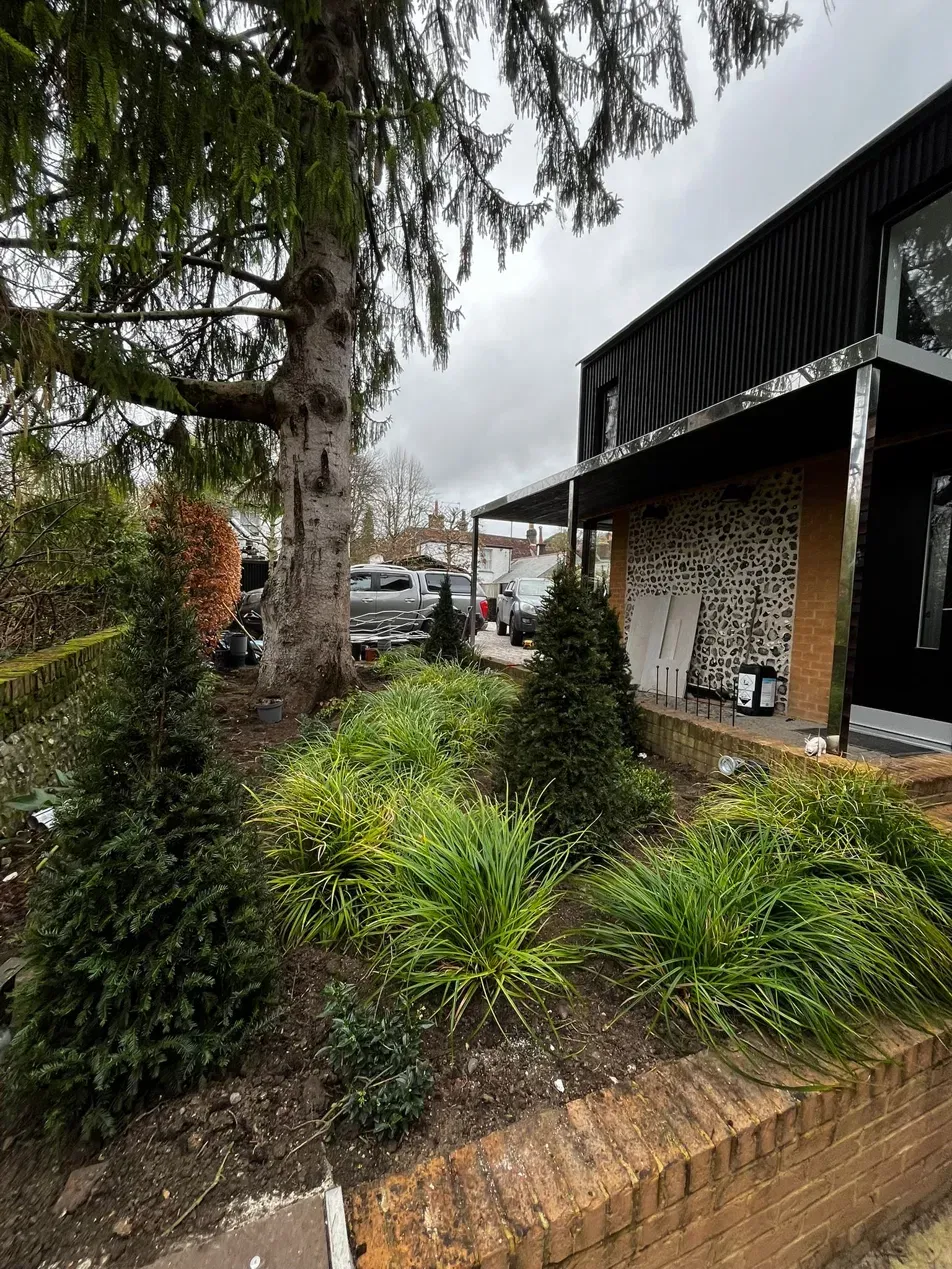
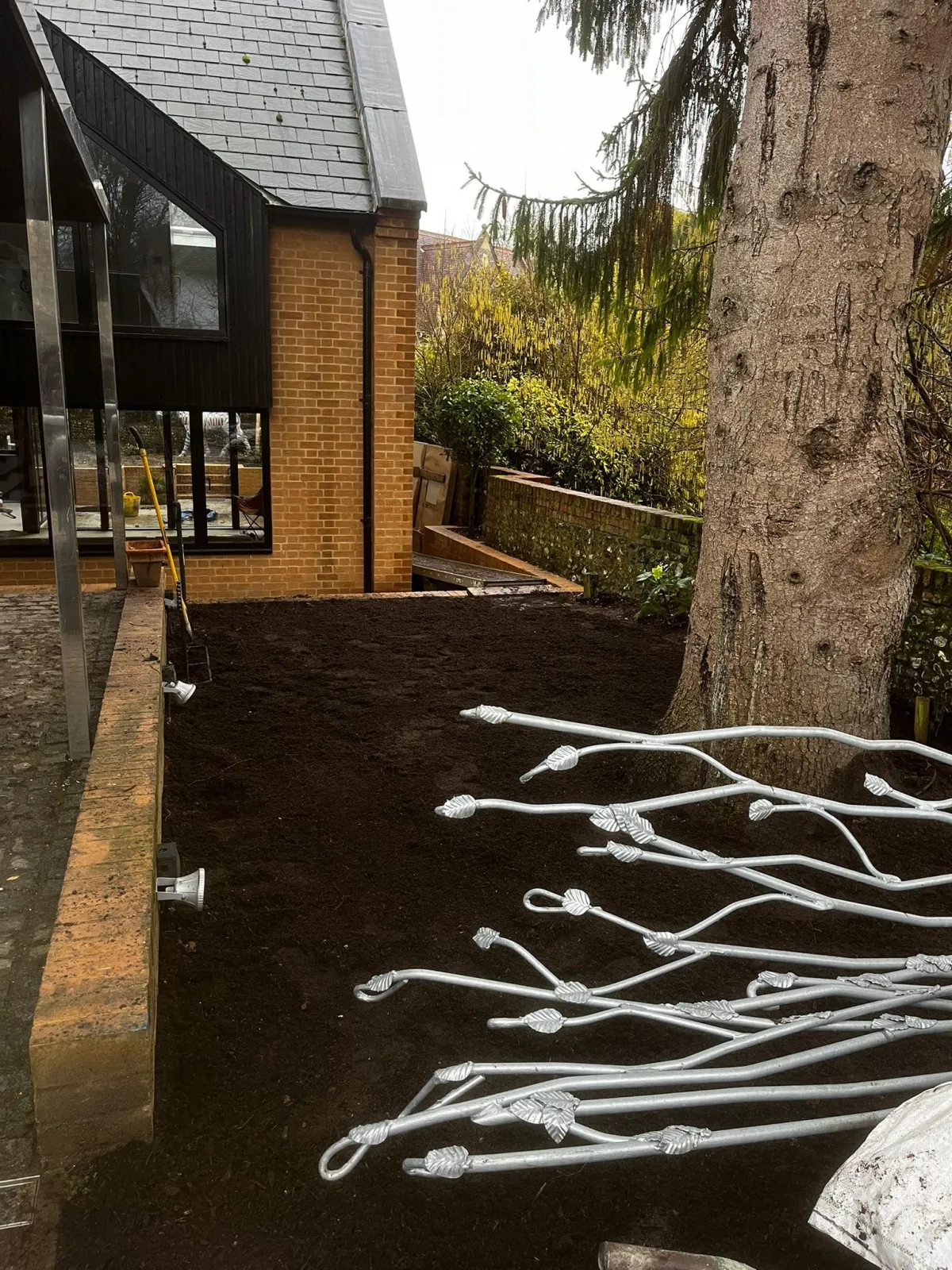
Tree removal starts with an assessment of the tree and its surroundings. This covers the size and condition of the tree, its position relative to the house, fences, neighbouring gardens and any overhead obstacles such as power lines, and the access available to the property. Many of Southampton's older properties, particularly in areas with mature boundaries and original narrow drives, present access challenges that need to be planned for before work starts, since the method used to remove a tree depends partly on whether equipment can reach the tree directly or whether everything needs to be carried through on foot.
Felling and sectioning is carried out based on the assessment, removing the tree in a controlled way that accounts for the space available and what is around it. Where a tree is close to a building, fence or other structure, or where there is limited space for the tree to fall, it is sectioned and lowered in pieces rather than felled in one go. This takes longer but is the appropriate approach where a direct felling would risk damage to property or pose a safety risk.
Once the tree is down, the resulting wood and arisings need to be dealt with. Depending on the size of the tree and what the homeowner wants, larger sections of trunk can be cut to a manageable size, and branches and smaller material are chipped or removed. Edens Edge landscaping discusses with the homeowner what they want done with the resulting material, whether that is removal from site entirely, or retaining some of the wood for the homeowner's own use.
The site is cleared once the work is complete. Southampton's established gardens, particularly those in tree rich areas, can generate significant volumes of material from a single tree removal, and Edens Edge landscaping ensures the site is left clear and tidy, with all arisings removed unless the homeowner has specifically asked for material to be kept on site.
FAQ's
Frequent Asked Questions
Common questions about Tree removal from Edens Edge landscaping, covering Southampton and surrounding areas.
My tree was damaged in a storm. Does it need to come down completely?
It depends on the extent of the damage. A split trunk, a major leaning failure, or significant structural damage to the main stem are generally beyond what pruning or cabling can address, and removal is usually the safer option, particularly if the tree is near a house, fence or anywhere people regularly use the garden. Southampton sees winter storms that put particular pressure on trees in exposed locations near the Itchen and Test estuaries, and Edens Edge landscaping assesses storm damaged trees to advise honestly on whether removal is needed or whether a lesser option is appropriate.
How do you remove a tree that is close to my house or fence?
By sectioning the tree and lowering it in pieces rather than felling it in one go. Where a tree is close to a building, fence or other structure, or where there is not enough open space for the whole tree to come down safely in one direction, Edens Edge landscaping cuts the tree down in controlled sections from the top, working down to the base. This takes longer than a direct felling but is the appropriate approach for trees in confined or built up positions, which describes many gardens in Southampton's established suburbs.
What happens to the wood and branches after a tree is removed?
Edens Edge landscaping discusses this with you before the work starts. Larger sections of trunk can be cut to a manageable size and either removed from site or left for your own use, such as firewood. Branches and smaller material are typically chipped or removed. The site is left clear and tidy once the work is complete, with all arisings removed unless you have specifically asked for material to be kept.
Can you access my garden if it has a narrow drive or limited access?
Edens Edge landscaping assesses access as part of the initial visit. Many properties in Southampton's older suburbs, particularly those with original narrow drives and mature boundaries, present access challenges that affect how a tree removal job needs to be approached. Where direct equipment access is not possible, the work is planned around what can be carried through by hand and the sectioning method is adjusted accordingly.
Are you insured and do you have a cancellation policy?
Edens Edge landscaping holds £5m public liability insurance. If you need to cancel a booked job, the cancellation policy allows a full refund with three days notice. For any questions about bookings or to get a quote for Tree removal in Southampton, call 07850412717 directly.
Get in touch
Get Your Tree Removed Safely
Edens Edge landscaping covers Southampton, Romsey, Winchester and the surrounding areas. [CLIENT TO CONFIRM: response time or booking window]
Edens Edge landscaping
Professional landscaping in Chandlers Ford
Unit 4, Riverside Court, Cupar KY15 5JY, United Kingdom
Quick Links
Service areas
Opening Hours
Mon - Fri
8am – 6pm
Saturday
9am – 4pm
Sunday
Closed
© 2026 Edens Edge landscaping. All rights reserved.
Privacy Policy
Terms & Conditions